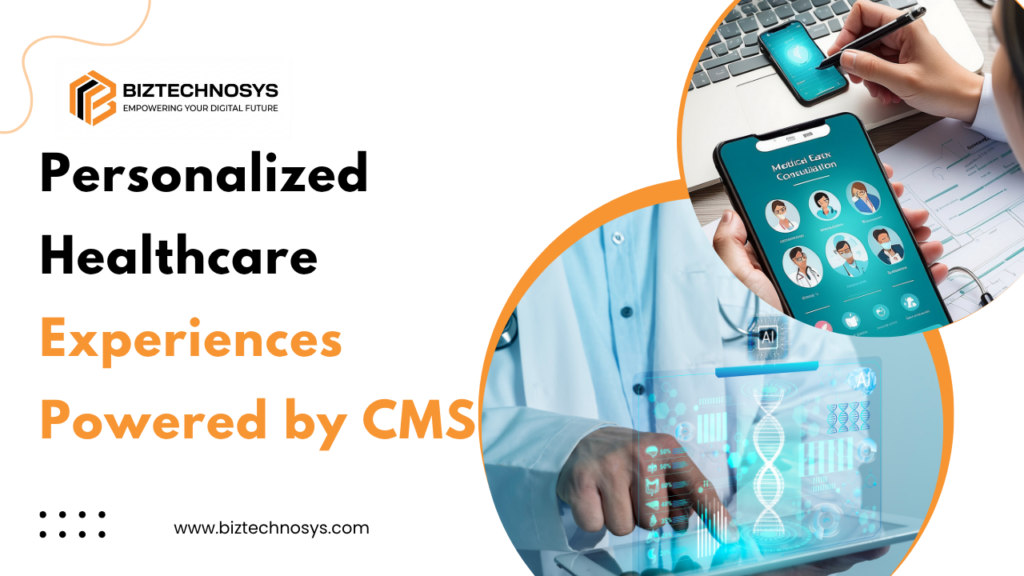
How Healthcare Brands Can Deliver Personalized Experiences Using CMS
Personalized healthcare is no longer optional. Patients expect digital experiences that match their needs, preferences, and medical journeys. A generic healthcare website often leads to low engagement and missed opportunities.
This is where a smart CMS platform plays a key role. It helps healthcare brands deliver the right content at the right time—improving patient experience and strengthening digital healthcare strategies.
What Is Personalized Healthcare?
Personalized healthcare focuses on delivering tailored experiences to each patient. It uses healthcare data, behavior patterns, and preferences to create meaningful interactions.
Instead of showing the same content to everyone, healthcare platforms adapt. A returning patient may see follow-up care tips, while a new visitor might see awareness content.
Patients today expect more than basic information. They want relevant guidance, quick answers, and smooth digital journeys.
Better personalization leads to:
Improved patient engagement
Stronger patient communication
Higher trust in healthcare branding
As a result, healthcare providers can build long-term relationships instead of one-time visits.
How CMS Enables Personalized Healthcare
A modern CMS platform acts as the backbone of digital healthcare experiences. It allows teams to manage, update, and personalize content without complexity.
With the right CMS, healthcare brands can:
Deliver personalized content across the healthcare website
Track user behavior and adapt content in real time
Healthcare data helps deliver relevant content. For example, users searching for cardiology services can be shown related treatments, doctors, and blogs.
2. Patient Journey Mapping
Every patient follows a different path. A CMS helps align content with each stage—from awareness to recovery.
3. Marketing Automation
Automated workflows improve efficiency. Appointment reminders, health tips, and follow-ups can be personalized and scheduled easily.
4. Multi-Channel Experience
Patients interact across multiple platforms. A CMS ensures consistent messaging across websites, mobile apps, and patient portals.
Technology is evolving fast. AI and automation are shaping the next phase of personalized healthcare.
In the future, healthcare platforms will:
Predict patient needs more accurately
Deliver real-time personalized content
Improve digital patient care experiences
This shift will redefine how healthcare brands connect with patients.
Conclusion
Personalized healthcare is transforming digital experiences. A smart CMS makes it easier to deliver relevant, timely, and engaging content.
Healthcare brands that invest in personalization will stand out. More importantly, they will create meaningful patient experiences that truly make a difference.